
If your roof has reached the end of its lifespan, knowing what happens during a replacement project can make the process much less stressful. Homeowners in La Verne, CA often wonder how long the work will take, what preparations are needed, and how local weather and neighborhood conditions may affect the timeline.
Quick Answer
A roof replacement project in La Verne, CA typically involves an initial inspection, material delivery, removal of the old roofing system, installation of new underlayment and roofing materials, cleanup, and a final inspection. While every home is different, understanding each phase helps homeowners prepare for temporary disruptions and ensures the project moves as smoothly as possible.
What Local Readers Should Know
-
Roof replacement usually requires homeowners to prepare both the inside and outside of the property before work begins.
-
Warm summers in the San Gabriel Valley often make spring and fall popular seasons for roofing projects.
-
Homes near the foothills of the San Gabriel Mountains may experience greater exposure to wind, sun, and seasonal debris, making roof durability especially important.
-
Older neighborhoods throughout Los Angeles County may have aging roofing systems that benefit from modern materials and updated installation methods.
-
Scheduling a replacement before the rainy season can help reduce the risk of weather-related delays.
Why This Matters Locally
A roof replacement is more than simply installing new shingles. Local weather patterns, intense UV exposure, occasional winter rainstorms, and the age of many homes throughout La Verne all influence how roofing systems perform over time.
Dowd Roofing understands the unique conditions local homeowners face. From the first consultation through the final cleanup, we focus on helping homeowners understand every stage of the project so there are no surprises along the way.
Local Field Observations
Professional field observations show that many roofing projects in the area are scheduled before periods of heavier winter rainfall. Roofs exposed to years of Southern California sunshine often experience worn shingles, deteriorated underlayment, and flashing issues that may not be visible from the ground.
Homes located near Bonita Avenue, Foothill Boulevard, and neighborhoods closer to the foothills may also collect more leaves and debris that contribute to roof wear over time.
What Happens Before Roof Replacement Begins
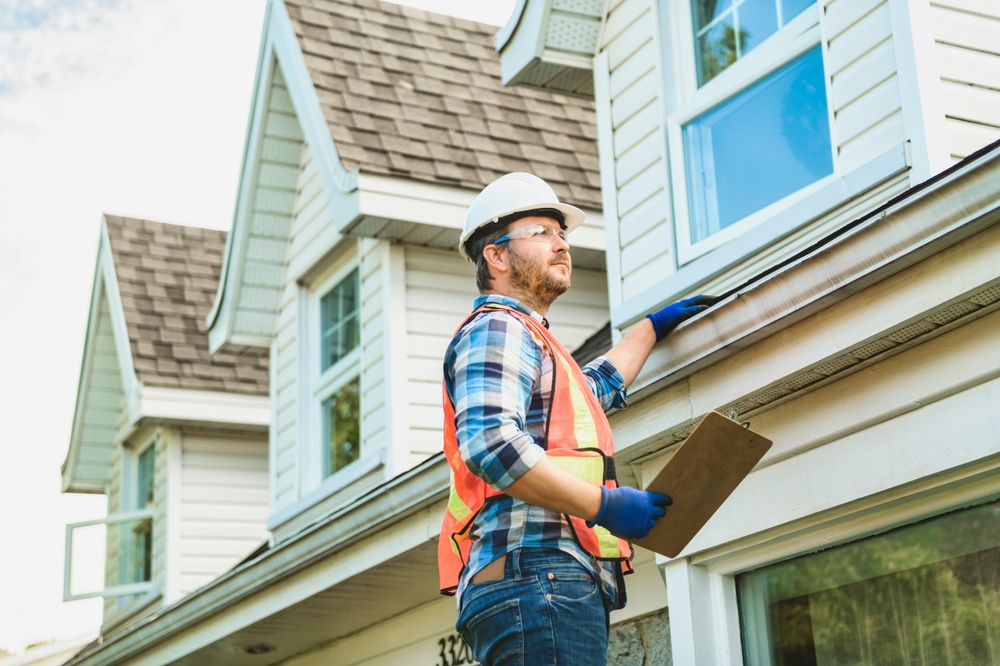
A roof replacement project starts with a thorough inspection and planning process. During this stage, contractors evaluate the roof structure, measure the roof, confirm material selections, and establish a project schedule.
Before installation day, homeowners should:
-
Move vehicles away from the driveway.
-
Remove fragile items from walls and shelves since vibrations may occur.
-
Trim tree branches if necessary.
-
Cover valuables stored in the attic.
-
Inform neighbors about the upcoming work.
Material deliveries often arrive a day or two before installation begins.
Removing the Existing Roof
The first construction phase is removing the old roofing materials. Crews strip away shingles or tiles, remove damaged underlayment, and inspect the roof decking underneath.
This step allows hidden issues such as moisture damage or deteriorated wood to be identified before new materials are installed.
Although this portion of the project is usually the noisiest, it is also one of the most important because it provides a clean foundation for the new roof.
Inspecting and Repairing the Roof Deck
Once the old roofing has been removed, the roof deck is carefully inspected.
If damaged plywood or structural components are discovered, they can be replaced before installation continues. Addressing these issues during replacement helps support the long-term performance of the new roofing system.
Skipping this step could allow hidden damage to remain beneath the new roof.
Installing New Roofing Materials
The installation phase begins with new underlayment, flashing, and moisture barriers before the primary roofing material is installed.
Depending on the selected roofing system, installation may include:
-
Asphalt shingles
-
Concrete or clay tile
-
Metal roofing
-
Specialty roofing materials
Proper flashing installation around chimneys, vents, skylights, and roof valleys helps protect vulnerable areas from future water intrusion.
Local Impact
Roof replacements help homes throughout La Verne better withstand year-round sun exposure and seasonal weather changes.
A properly installed roofing system can improve:
-
Weather protection
-
Home appearance
-
Energy efficiency
-
Moisture resistance
-
Long-term durability
Many homeowners also appreciate the peace of mind that comes with replacing an aging roof before leaks develop.
Warning Signs That a Roof Replacement May Be Needed
Several warning signs often indicate a roof has reached the end of its service life.
-
Curling or cracked shingles
-
Missing roofing materials
-
Frequent roof leaks
-
Water stains on ceilings
-
Sagging roof sections
-
Excessive granules in gutters
-
Moss or algae growth
-
Roof age approaching or exceeding its expected lifespan
If multiple warning signs are present, a professional inspection can help determine whether repairs or replacement are the better option.
When to Call a Professional
Professional roofing evaluation is recommended whenever homeowners notice recurring leaks, visible storm damage, or signs of structural deterioration.
While homeowners can safely perform visual inspections from the ground, walking on a roof presents safety risks and may cause additional damage.
Professional inspections are especially valuable before the winter rainy season arrives in Southern California.
Common Local Causes of Roof Replacement
Several factors commonly contribute to roof replacement throughout the region.
1. Long-Term UV Exposure
Years of intense sunshine gradually break down roofing materials.
2. Aging Roof Systems
Many homes throughout older areas of Los Angeles County have roofs nearing the end of their expected lifespan.
3. Seasonal Rain
Occasional heavy rainfall can expose weaknesses that developed during dry months.
4. Wind and Debris
Properties near mature trees or foothill areas often experience greater debris accumulation that contributes to wear.
Prevention and Maintenance
Routine maintenance can help extend the life of a roofing system.
Helpful maintenance practices include:
-
Schedule annual roof inspections.
-
Clean gutters regularly.
-
Remove leaves and branches.
-
Address small repairs promptly.
-
Inspect flashing after storms.
-
Trim overhanging trees.
Professional inspections can identify developing problems before they require major repairs.
Expected Results
A professionally completed roof replacement provides homeowners with a new roofing system designed to protect the home for many years when properly maintained.
After installation, homeowners can generally expect:
-
Improved weather resistance
-
Updated curb appeal
-
Better protection against leaks
-
Increased confidence during seasonal storms
Individual performance depends on roofing materials, installation quality, maintenance, and environmental conditions.
Common Mistakes
Mistake: Waiting until leaks become severe.
Consequence: Interior water damage and higher repair costs.
Better Approach: Schedule inspections when early warning signs appear.
Mistake: Choosing materials based only on price.
Consequence: Shorter lifespan or lower performance.
Better Approach: Consider durability, appearance, and suitability for local conditions.
Mistake: Ignoring attic ventilation.
Consequence: Increased heat buildup and premature roof aging.
Better Approach: Ensure ventilation is evaluated during replacement.
Common Local Scenario
A homeowner notices several missing shingles after a windy weekend but delays scheduling an inspection because there are no visible leaks.
Months later, winter rain reaches exposed underlayment, allowing moisture to penetrate beneath the roofing system. What could have been a relatively straightforward repair becomes a larger replacement project involving damaged decking.
This scenario illustrates why prompt inspections are valuable, even when damage appears minor.
Related Service Solutions
Roof replacement is only one part of maintaining a healthy roofing system.
Depending on the roof’s condition, homeowners may also benefit from:
-
Roof inspections
-
Roof repairs
-
Leak detection
-
Flashing repairs
-
Preventive maintenance
Comparing Your Options
| Option | Best For | Considerations |
|---|---|---|
| Roof Repair | Localized damage | Appropriate when the roof still has significant remaining life. |
| Roof Replacement | Widespread wear or aging | Provides a completely new roofing system. |
| Routine Maintenance | Preventive care | Helps identify problems before major damage develops. |
Service Areas
We proudly serve homeowners throughout La Verne as well as nearby communities including San Dimas, Claremont, Glendora, Pomona, and other surrounding areas in the eastern San Gabriel Valley and Los Angeles County.
Cost of Ignoring the Issue
Delaying a needed roof replacement can allow small issues to become much larger problems.
Moisture intrusion may damage insulation, ceilings, drywall, framing, and other structural components. Addressing roofing concerns early often helps reduce the likelihood of more extensive repairs.
Frequently Asked Questions
How long does a roof replacement usually take in La Verne, CA?
Most residential roof replacements are completed within several days, although larger homes, complex roof designs, weather conditions, and material selection can extend the timeline.
Will I need to leave my home during the project?
Most homeowners can remain at home during a roof replacement. However, expect significant construction noise throughout much of the installation.
Can roof replacement be completed during summer in the San Gabriel Valley?
Yes. Roofing projects are commonly completed during summer, although crews may adjust schedules to work safely during periods of high temperatures.
Does a roof replacement include new underlayment?
Yes. In most cases, replacing the underlayment is an important part of installing a complete new roofing system.
Should I replace my roof before the rainy season?
Yes. Completing roof replacement before winter storms helps reduce the risk of weather-related delays and water intrusion.
How do I know if my roof needs replacement instead of repairs?
A professional inspection evaluates the roof’s age, overall condition, and extent of damage to determine whether repairs remain practical or replacement offers the better long-term solution.
Protect Your Home with a Well-Planned Roof Replacement
Replacing your roof is a significant investment, but understanding each stage of the process helps make the experience more predictable and less stressful. From preparation and installation to cleanup and final inspection, knowing what to expect allows homeowners to plan confidently.
Ready to Start Your Roof Replacement Project?
Our team is here to help you understand your options and guide you through every step of the roofing process with clear communication and professional service.