
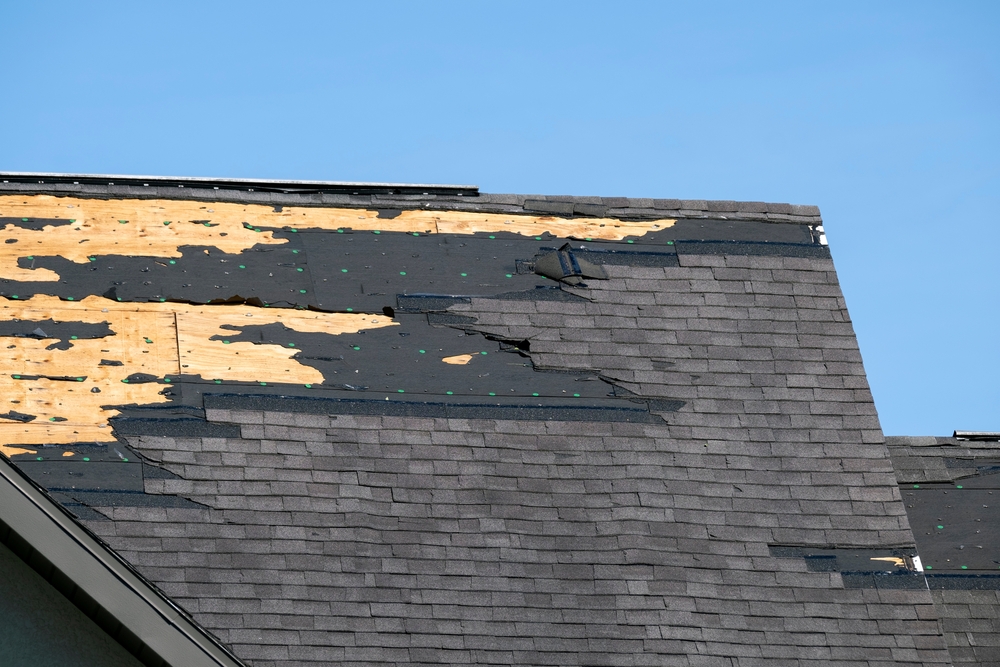
Southern California is known for sunny skies, but the weather creates unique challenges for residential and commercial roofs. Homeowners in La Verne, Claremont, and San Dimas often deal with prolonged sun exposure, seasonal wind events, occasional heavy rain, and wildfire-related conditions that gradually wear down roofing systems.
Quick Answer
Southern California weather impacts roofs by accelerating material aging through UV exposure, expanding and contracting roofing materials during temperature swings, lifting shingles during Santa Ana wind events, and exposing weak spots during seasonal rainstorms. Regular roof inspections and timely maintenance help property owners identify small issues before they become expensive repairs.
What Local Readers Should Know
-
Strong UV exposure throughout the Inland Valley gradually breaks down roofing materials, especially older asphalt shingles.
-
Santa Ana winds can loosen shingles, tiles, flashing, and ridge caps across neighborhoods in La Verne, Claremont, and San Dimas.
-
Winter rain often reveals roofing problems that developed during the long dry season.
-
Wildfire season can leave roofs covered with ash, debris, and airborne embers that require prompt inspection.
-
Homes near the San Gabriel Mountains may experience stronger wind gusts than surrounding areas due to local terrain.
Why This Matters Locally
Southern California’s climate may not include snow or frequent hurricanes, but roofs in eastern Los Angeles County face year-round environmental stress. Properties throughout the foothill communities experience intense sunshine, hot summers, seasonal wind events, and occasional atmospheric river storms that place different types of stress on roofing systems.
Older neighborhoods in La Verne, Claremont, and San Dimas often feature roofing materials that have endured decades of weather cycles. Even newer roofs benefit from regular inspections because many roofing problems develop gradually and remain hidden until rain arrives.
Dowd Roofing understands these local conditions because we work with homeowners throughout the surrounding communities. Our goal is to help property owners recognize how Southern California weather affects their roofs so they can make informed maintenance decisions.
Local Field Observations
Professional roofing experience throughout the San Gabriel Valley consistently shows that most roof damage develops slowly rather than from a single storm. Extended UV exposure dries roofing materials over time, while repeated heating and cooling causes expansion and contraction that can loosen flashing, crack sealants, and create opportunities for moisture intrusion.
Following Santa Ana wind events, loose roofing materials and displaced debris are among the most common conditions requiring inspection.
How Southern California Weather Affects Roofs
Southern California weather affects roofs by exposing them to multiple seasonal conditions that create gradual wear throughout the year.
Intense Sun Exposure
Southern California receives abundant sunshine nearly every month. Ultraviolet rays slowly break down roofing materials, causing asphalt shingles to become brittle, fade, or lose protective granules. Sealants around flashing and roof penetrations may also dry out and crack over time.
High Summer Temperatures
Roof surfaces often become significantly hotter than the surrounding air. Daily heating and nighttime cooling create continual expansion and contraction that can loosen fasteners, stress roofing materials, and shorten the lifespan of aging roofs.
Santa Ana Winds
Powerful seasonal winds can lift shingles, shift roofing tiles, damage flashing, and carry branches or debris onto rooftops. Even if visible damage appears minor, wind may expose areas that later allow water intrusion.
Seasonal Rainstorms
Southern California experiences relatively few rainy days, but storms can be intense. Roofs that have developed small weaknesses during the dry season often begin leaking when prolonged rain arrives.
Wildfire Conditions
Communities near the foothills may experience airborne ash, debris, and embers during wildfire season. Roof valleys, gutters, and drainage areas should remain clear to reduce fire risk and improve drainage during storms.
Warning Signs Your Roof May Be Weather Damaged
Weather-related roof damage often develops gradually before becoming noticeable inside the home.
Common warning signs include:
-
Missing, cracked, or curling shingles
-
Loose or displaced roof tiles
-
Granules collecting inside gutters
-
Rusted or lifting flashing
-
Water stains on ceilings or attic framing
-
Sagging roof sections
-
Debris accumulation in roof valleys
-
Higher-than-normal energy bills caused by reduced roof performance
When to Call a Professional
A professional roof inspection is recommended whenever your roof shows signs of damage or has experienced significant weather events.
Homeowners can safely:
-
Look for visible damage from ground level.
-
Check ceilings for water stains.
-
Monitor gutters for roofing debris.
-
Watch for loose branches near the roof.
Professional service is appropriate when:
-
You suspect leaks.
-
Wind has displaced roofing materials.
-
Flashing appears damaged.
-
You notice sagging.
-
The roof is older and has not been inspected recently.
-
Storms have recently passed through the area.
Walking on a roof without proper safety equipment can be dangerous and may cause additional damage.
Common Local Causes of Roof Damage
Several weather-related conditions commonly affect roofs throughout La Verne, Claremont, and San Dimas.
1. UV Degradation
Constant sunshine gradually weakens roofing materials and protective coatings.
2. Wind Damage
Santa Ana winds may loosen roofing components even without obvious storm damage.
3. Aging Materials
Many homes in eastern Los Angeles County have roofs approaching the later stages of their expected service life.
4. Debris Accumulation
Leaves, pine needles, and branches can trap moisture and obstruct drainage.
5. Deferred Maintenance
Small issues often become larger repairs after seasonal rain exposes hidden vulnerabilities.
Prevention and Maintenance
Preventive maintenance helps roofs perform better throughout Southern California’s changing seasons.
Helpful maintenance practices include:
-
Schedule roof inspections annually.
-
Inspect the roof after major wind events.
-
Keep gutters clean before winter rains.
-
Trim overhanging tree branches.
-
Replace damaged shingles or tiles promptly.
-
Address flashing issues before leaks develop.
-
Remove accumulated debris from roof valleys.
Routine inspections can identify minor problems before interior damage occurs.
Expected Results from Professional Roof Maintenance
Regular maintenance helps extend roof performance by identifying developing problems early.
Property owners can generally expect:
-
Earlier detection of worn materials
-
Reduced likelihood of unexpected leaks
-
Improved drainage performance
-
Better preparation for seasonal storms
-
More informed decisions about future repairs or replacement
Actual roof lifespan depends on material type, installation quality, maintenance history, and weather exposure.
Common Mistakes Homeowners Make
Ignoring minor damage
Small roofing issues often become more expensive repairs after seasonal rain.
Waiting until leaks appear
Water intrusion usually indicates that roof damage has already progressed.
Skipping inspections after wind events
Wind damage may not always be visible from the ground.
Attempting unsafe roof repairs
Walking on steep or fragile roofing materials increases the risk of injury and accidental damage.
Common Local Scenario
A homeowner in one of the foothill communities notices no problems throughout the dry summer months. After the first significant winter storm, a ceiling stain appears near a chimney. An inspection reveals that years of sun exposure weakened nearby flashing, while recent winds loosened surrounding materials enough to allow water intrusion. Early maintenance could have addressed the flashing before interior damage developed.
Related Roofing Services
Several roofing services help address weather-related damage before it becomes more extensive.
These may include:
-
Roof inspections
-
Roof repairs
-
Roof replacement
-
Flashing repair
-
Tile roof repair
-
Asphalt shingle repair
-
Preventive roof maintenance
-
Storm damage assessments
Comparing Your Options
| Option | Advantages | Considerations |
|---|---|---|
| DIY Visual Inspection | Identifies obvious issues from the ground | Limited visibility and should never involve unsafe roof access |
| Professional Inspection | Comprehensive assessment with trained observation | Helps identify hidden issues before leaks occur |
| Targeted Repairs | Addresses isolated damage | Appropriate when most of the roof remains in good condition |
| Full Roof Replacement | Long-term solution for aging roofs | May be appropriate when widespread deterioration is present |
Service Areas
We proudly serve homeowners throughout La Verne, Claremont, and San Dimas, along with nearby communities across the San Gabriel Valley and eastern Los Angeles County. Our familiarity with local weather patterns helps us recommend roofing solutions suited to the region’s climate.
The Cost of Ignoring Weather Damage
Delaying roof maintenance can allow relatively small problems to grow into larger repairs. Moisture intrusion may affect insulation, drywall, framing, and interior finishes, while prolonged exposure to UV and wind can accelerate roof deterioration.
Frequently Asked Questions
How often should homeowners in La Verne have their roof inspected?
Annual inspections are generally recommended for homes in La Verne, especially before or after the rainy season. Additional inspections after significant Santa Ana wind events can help identify developing damage early.
Do Santa Ana winds damage roofs in Claremont?
Yes. Strong Santa Ana winds can loosen shingles, shift roof tiles, damage flashing, and carry debris onto roofs throughout Claremont and surrounding foothill communities.
Is Southern California sun really hard on roofing materials?
Yes. Constant UV exposure gradually breaks down many roofing materials, dries sealants, and contributes to premature aging over time.
Should I inspect my roof after heavy rain in San Dimas?
Yes. Heavy rain often reveals existing weaknesses that developed during the dry season. Prompt inspections can identify leaks before additional damage occurs.
What roofing materials perform well in Southern California?
Different roofing materials perform well depending on the home’s design, budget, and maintenance goals. A roofing professional can recommend options appropriate for local climate conditions.
Can clogged gutters damage my roof?
Yes. Gutters filled with leaves or debris may prevent proper drainage, allowing water to back up beneath roofing materials during storms.
Does wildfire season affect roofs?
Yes. Ash, debris, and airborne embers can accumulate on roofs and in gutters. Keeping roofs clean helps reduce potential hazards and improves drainage.
How do I know whether I need repairs or replacement?
A professional inspection provides the best assessment. The decision depends on the roof’s age, overall condition, and the extent of any weather-related damage.
Protect Your Roof from Southern California Weather
Your roof protects your home every day, even when weather damage develops slowly over time. Regular inspections and proactive maintenance help reduce unexpected repairs and extend your roof’s performance.
Ready to protect your roof in La Verne, Claremont, or San Dimas?
We are here to help you understand your roof’s condition and recommend practical solutions for Southern California’s unique climate.