
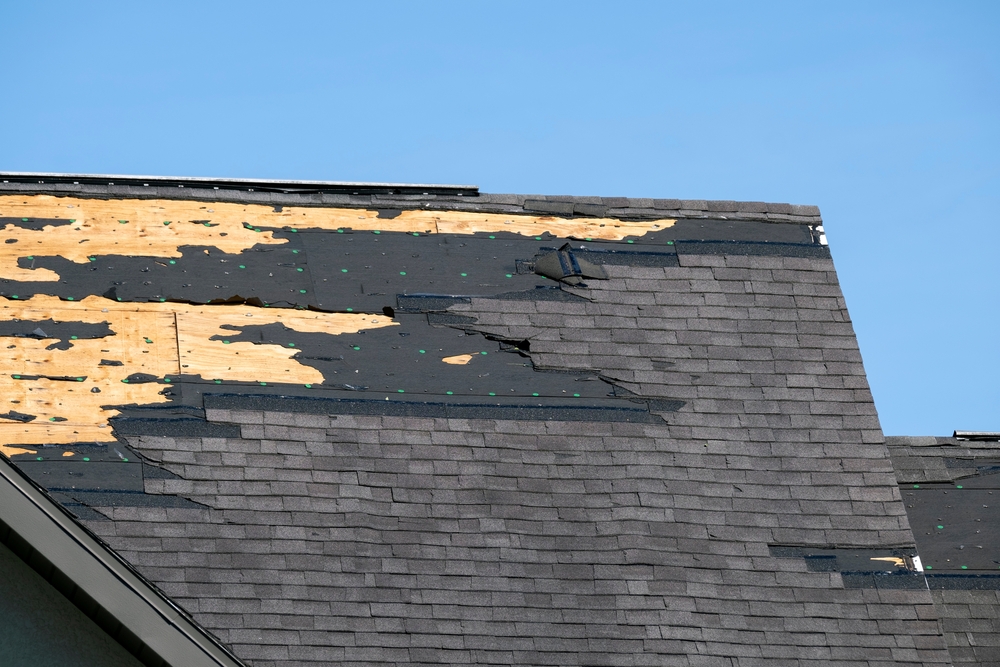
A Southern California roof can go months under intense sun and dry conditions, then suddenly face repeated winter rain, wind, and debris. For San Dimas homeowners, that change can expose small roofing problems that were easy to overlook during the dry season.
Quick answer: The 2026–27 El Niño could increase weather-related stress on local roofs if Southern California experiences periods of heavier or more frequent rain. El Niño does not guarantee a wet winter in San Dimas, but NOAA expects a very strong El Niño during fall and winter 2026–27. Homeowners can prepare by checking for damaged roofing materials, clearing drainage paths, inspecting flashing and penetrations, trimming risky branches, and addressing known leaks before storms arrive.
What San Dimas homeowners should know
-
NOAA reported in August 2026 that El Niño was strengthening and had a greater than 90 percent chance of becoming a very strong event during fall and winter 2026–27.
-
A powerful El Niño increases the potential for characteristic El Niño weather impacts, but it does not guarantee a specific amount of rain in the Los Angeles County foothills.
-
Roof weaknesses that remain unnoticed through the dry season may become apparent once sustained or wind-driven rain arrives.
-
Homes near the San Gabriel Mountains and foothill communities can also face debris, wind, and drainage issues during winter storms.
-
Roof preparation is generally easier to handle before the first significant storm than after active leaking begins.
Why Could El Niño Matter for Roofs in San Dimas?
El Niño could matter for roofs in San Dimas because an active winter weather pattern may expose vulnerabilities created by months of sun, heat, debris accumulation, and ordinary roof aging. The biggest concern is not El Niño itself, but how a roof handles repeated moisture, wind-driven rain, clogged drainage, and changing weather conditions.
NOAA’s Climate Prediction Center reported on August 13, 2026 that El Niño was strengthening, with a greater than 90 percent chance of a very strong event during Northern Hemisphere fall and winter 2026–27. NOAA also cautions that the strength of El Niño does not guarantee the strength of its local impacts.
That distinction matters locally. A homeowner should not assume that every El Niño automatically means severe rainfall in the eastern San Gabriel Valley. It is more useful to treat the forecast as a reason to identify roof vulnerabilities before winter weather tests them.
At Dowd Roofing, we encourage property owners to focus on the condition of their individual roofing system rather than trying to predict exactly how much rain a particular neighborhood will receive.
What Does the Current El Niño Forecast Say?
The current NOAA forecast says El Niño is strengthening and has a greater than 90 percent chance of reaching very strong status during fall and winter 2026–27. That makes advance storm preparation reasonable, while still recognizing that seasonal forecasts cannot predict exactly what will happen at an individual property.
NOAA’s August 2026 ENSO outlook showed El Niño continuing through winter. Its seasonal forecasting guidance emphasizes that even a strong climate signal does not guarantee particular local impacts.
For homeowners from San Dimas to nearby Glendora, La Verne, Covina, and the broader San Gabriel Valley, the practical takeaway is simple: prepare the roof for winter conditions without assuming a worst-case scenario.
How Can Storms Affect a Local Roof?
Winter storms can affect a local roof by forcing water into vulnerable areas, overwhelming blocked drainage, loosening damaged materials, and exposing deteriorated flashing or sealants. Problems are particularly likely to appear where the roof already has an existing weakness.
Potential trouble spots include roof valleys, penetrations, flashing, vents, skylight areas, gutters, drains, and transitions between different roofing surfaces.
Local geography matters too. San Dimas sits near the foothills of the San Gabriel Mountains, where wind, vegetation, sloped properties, and runoff patterns can vary from one neighborhood to another. A home near Via Verde may have different exposure and roof geometry than a property closer to downtown or the areas around Puddingstone Reservoir and Frank G. Bonelli Regional Park.
What Roof Warning Signs Should You Check Before El Niño Storms?
Roof warning signs to check before winter include damaged materials, staining, deteriorated flashing, drainage problems, debris buildup, and previous leak locations. Finding one of these conditions does not automatically mean a roof needs replacement, but it can justify a closer inspection before sustained rain.
Watch for:
-
Missing, cracked, lifted, or visibly damaged roofing materials
-
Water stains or discoloration on ceilings or attic surfaces
-
Debris collecting in valleys or other drainage paths
-
Loose, separated, or deteriorated flashing
-
Damaged areas around vents, skylights, or other penetrations
-
Gutters or roof drains that do not appear to drain freely
-
Signs of previous patching around recurring leak areas
-
Tree limbs hanging over or contacting the roof
Avoid climbing onto a steep, wet, fragile, or unfamiliar roof to investigate these issues yourself.
When Should You Call a Roofing Professional?
Call a roofing professional when you see active leaking, damaged roofing materials, questionable flashing, recurring water stains, or roof areas that cannot be inspected safely from the ground. Before the winter storm season, professional evaluation can also make sense for an older roof or one with a history of leaks.
Homeowners can safely perform basic observations from the ground and look inside accessible attic areas when conditions allow. Clearing easily reachable ground-level drainage areas may also be reasonable.
Roof walking, structural evaluation, significant repairs, and work near steep edges should be left to properly equipped professionals.
What Common Roof Problems Can Become Worse During El Niño?
The roof problems most likely to become worse during an El Niño winter are existing leaks, drainage restrictions, damaged materials, deteriorated flashing, and vulnerable roof penetrations. Rain does not necessarily create these defects from nothing. Instead, repeated storms can reveal weaknesses that already exist.
1. Aging or damaged roofing materials
Southern California roofs spend much of the year exposed to strong sunlight and heat. Materials that are already worn may be less prepared for extended wet weather.
2. Flashing vulnerabilities
Roof-to-wall intersections, penetrations, chimneys, vents, and similar transitions rely on properly functioning flashing to manage water.
3. Blocked drainage
Leaves, twigs, dirt, and other debris can interfere with gutters, valleys, scuppers, and drains. During heavier rainfall, restricted drainage can allow water to collect where it should be moving away.
4. Previous repairs
An area that leaked during a previous winter deserves attention before another storm season, especially if the repair was intended only as a temporary measure.
5. Overhanging vegetation
Properties near the foothills and mature neighborhoods may have trees close to the roof. Wind can move branches against roofing surfaces or deposit additional debris onto the roof.
How Should You Prepare Your Roof Before the 2026–27 Storm Season?
Prepare your roof before the 2026–27 storm season by inspecting visible surfaces, confirming drainage is clear, checking known problem areas, managing nearby vegetation, and arranging repairs while conditions are still dry. The goal is to address identifiable vulnerabilities before rain makes access and repair more difficult.
Start with a ground-level visual check. Look for obvious material damage, displaced components, sagging gutters, debris, and tree limbs near the roof.
Inside the home, look for ceiling discoloration and, if safely accessible, signs of moisture in the attic. Pay particular attention to locations where leaks have occurred before.
Have questionable flashing, penetrations, and roofing materials evaluated rather than relying on improvised storm-season patches.
Finally, do not wait for the first major Los Angeles County storm to start planning. Roofing contractors can become busier when widespread rain reveals leaks across the region.
What Results Can You Expect From Pre-Storm Roof Maintenance?
Pre-storm roof maintenance can reduce preventable vulnerabilities and help a roofing system enter winter in better condition, but it cannot guarantee that storm damage or leaks will never occur. The realistic goal is to identify repairable problems, improve drainage, and reduce known weak points before severe weather arrives.
An inspection may show that only targeted maintenance or repair is appropriate. In other situations, deterioration may be widespread enough that longer-term options should be considered.
The right approach depends on the roof’s material, condition, age, installation details, and existing damage.
What Roof Preparation Mistakes Should Homeowners Avoid?
The biggest roof preparation mistakes are waiting for active leaks, relying on temporary fixes, ignoring drainage, and taking unnecessary DIY risks. These choices can turn a manageable dry-weather roofing problem into a more difficult repair during a storm.
Mistake: Waiting until rain is falling to investigate a known stain.
Consequence: Water may already be entering the roofing assembly.
Better approach: Investigate recurring or unexplained staining before winter.
Mistake: Assuming a clear-looking roof has no drainage problems.
Consequence: Hidden debris may restrict valleys, gutters, or drains.
Better approach: Check the entire drainage route where it can be done safely.
Mistake: Walking onto a wet or steep roof.
Consequence: Falls and roof damage are possible.
Better approach: Perform ground-level checks and call a professional when roof access is required.
What Is a Common San Dimas Pre-Storm Roofing Scenario?
A common San Dimas scenario is a roof that appears fine throughout the dry months but has a minor vulnerability around flashing, a penetration, or a drainage area that becomes noticeable during sustained winter rain. The homeowner may first discover the issue as a ceiling stain or intermittent dripping.
This is a general local scenario, not a Dowd Roofing case study.
The useful lesson is timing. Investigating an old stain, damaged material, or questionable flashing during dry weather gives a homeowner more options than discovering the problem during a widespread storm.
What Roofing Services Can Help Before El Niño?
Roof inspections, maintenance, targeted repairs, drainage-related roofing work, and replacement evaluation can help prepare a property for winter depending on the roof’s actual condition. Not every roof needs the same solution, so the first step should be identifying what is damaged and what remains serviceable.
We can evaluate visible problem areas and help property owners understand whether maintenance, repair, or a broader roofing solution is appropriate.
Should You Repair or Replace Your Roof Before Winter?
Repair may be appropriate for an isolated, repairable problem, while replacement may be worth evaluating when deterioration is widespread or the roof has multiple recurring issues. The decision should be based on roof condition rather than the El Niño forecast alone.
A localized flashing or material problem may call for targeted work. Multiple leaks, broad deterioration, or repeated repairs can change that calculation.
For local homeowners, the most useful question is not, “Is El Niño coming?” It is, “Is my roof currently prepared for the weather it may face?”
What Areas Do We Serve Around San Dimas?
Our roofing services support property owners in San Dimas and surrounding communities in the eastern San Gabriel Valley. Depending on service availability, nearby communities may include Glendora, La Verne, Covina, and other parts of the surrounding Los Angeles County area.
What Can Happen If You Ignore Roof Problems Before the Storms?
Ignoring an existing roof problem before winter can allow water intrusion to affect more than the original vulnerable area, potentially increasing the scope of needed repairs. Waiting can also mean seeking service at the same time many other Southern California property owners discover storm-related roofing problems.
Water intrusion can affect interior finishes and other building components depending on where and how water enters. A small stain should therefore be treated as information worth investigating, not proof that the problem will remain small.
FAQ
Will El Niño definitely bring heavy rain to San Dimas in 2026–27?
No, El Niño does not guarantee heavy rain in San Dimas during 2026–27. NOAA says El Niño is strengthening and is highly likely to become very strong during fall and winter, but the agency also emphasizes that El Niño strength does not guarantee specific local impacts. Seasonal conditions should continue to be monitored.
When should San Dimas homeowners inspect their roofs for winter?
Before sustained winter storms arrive is the most useful time to inspect a San Dimas roof. Dry conditions generally make it easier to identify visible damage and complete necessary work. Homeowners should also check their roofs after significant wind or weather events when damage is suspected.
Does a strong El Niño mean my roof will leak?
No, a strong El Niño does not mean your roof will leak. Roof leakage depends on the condition and construction of the individual roofing system as well as the weather it experiences. Existing defects around materials, flashing, penetrations, and drainage areas are among the conditions worth checking beforehand.
What roof areas should Los Angeles County homeowners check first?
Los Angeles County homeowners should pay close attention to drainage paths, roof penetrations, flashing, valleys, visible material damage, and locations associated with previous leaks. These areas help manage water or represent transitions in the roofing system, making their condition particularly relevant before periods of sustained rain.
Can I inspect my San Dimas roof myself?
You can perform a basic San Dimas roof check from the ground and inspect accessible interior areas, but you should avoid unsafe roof access. Binoculars or a clear ground-level view may reveal obvious damage. Steep, fragile, high, or wet roofs should be evaluated by someone with appropriate equipment and experience.
Should I clean gutters before an El Niño winter?
Yes, keeping gutters and other drainage paths clear is a sensible part of pre-winter maintenance when the work can be completed safely. Leaves and debris can restrict water movement during rain. Properties near mature trees or the San Gabriel foothills may require additional attention as vegetation drops debris.
Is a ceiling stain always caused by a roof leak?
No, a ceiling stain is not always caused by a roofing problem, but it should be investigated. Plumbing, HVAC-related moisture, and other sources can sometimes produce similar symptoms. If staining appears or grows during rain, a roof-related source becomes particularly important to evaluate.
Should I replace my roof just because a very strong El Niño is forecast?
No, an El Niño forecast alone is not a reason to replace a roof. Replacement should be considered based on the roofing system’s actual condition, extent of deterioration, history of problems, and repairability. A professional assessment can help distinguish an isolated repair from a broader roofing issue.
Prepare Your San Dimas Roof Before Winter Weather Arrives
Preparing early gives homeowners time to identify roof vulnerabilities while conditions are still favorable for inspection and repair. Our goal is to help local property owners understand the condition of their roofs and choose an appropriate solution before winter weather puts those systems to the test.
Protect Your San Dimas Home Before the Storms
Get clear information about your roof’s condition and address known problems before winter rain arrives.