
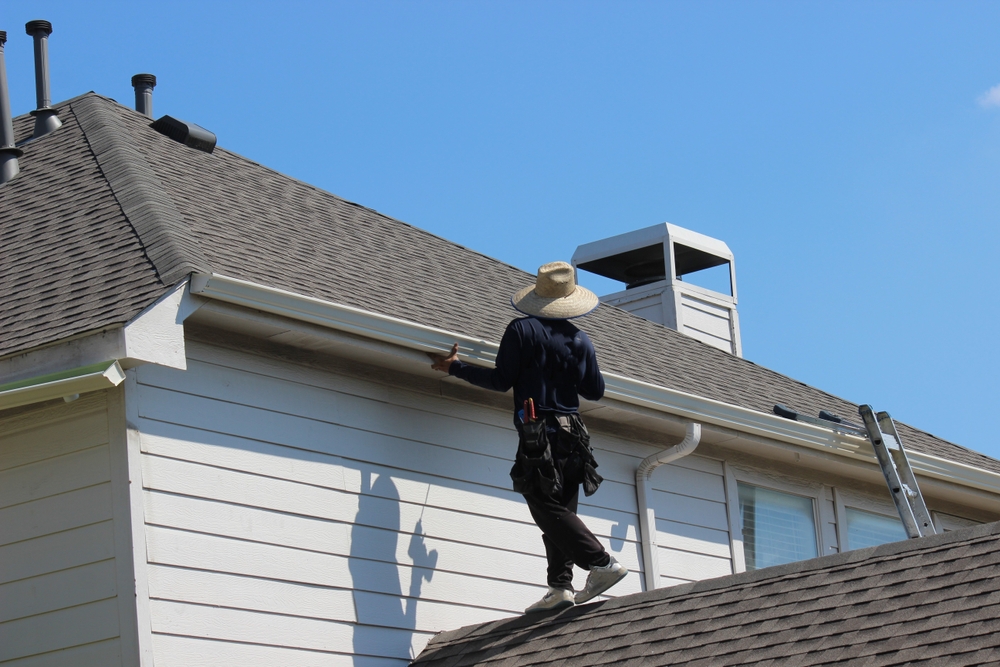
Your roof protects everything beneath it, but it is also one of the most overlooked parts of a home. In La Verne, where intense summer heat, seasonal winds, and occasional heavy rain can all take a toll on roofing materials, small issues can become expensive repairs if they go unnoticed.
Quick Answer
Regular roof inspections help homeowners identify small roofing problems before they develop into major structural damage. Catching loose shingles, deteriorating flashing, clogged drainage, or hidden leaks early can significantly reduce repair costs, extend the life of your roof, and help protect your home’s value.
What Local Homeowners Should Know
-
Annual roof inspections can uncover damage that is difficult to spot from the ground.
-
The hot, sunny climate in La Verne accelerates the aging of many roofing materials.
-
Seasonal winds moving through the San Gabriel Valley can loosen shingles and flashing over time.
-
Homes near the foothills of the San Gabriel Mountains often experience debris accumulation after wind events.
-
Addressing minor repairs early is usually far less expensive than replacing damaged decking, insulation, or interior finishes.
Why This Matters Locally
Regular roof inspections are especially valuable in La Verne because roofs experience year-round exposure to strong UV rays, warm temperatures, and occasional Pacific storm systems during the winter months. Nearby communities like San Dimas, Claremont, Glendora, and Pomona experience many of the same weather patterns, making preventive maintenance an important part of protecting homes throughout eastern Los Angeles County.
Dowd Roofing helps homeowners identify roofing concerns before they become costly repairs. We believe routine inspections are one of the smartest investments homeowners can make to protect their property.
Local Data and Field Observations
Professional experience throughout the region shows that many roofing problems begin as small maintenance issues rather than sudden failures. Extended sun exposure can dry out roofing materials, while seasonal rain may expose weaknesses around flashing, roof penetrations, skylights, and valleys that have slowly developed over time.
According to the National Weather Service, Southern California regularly experiences periods of extreme heat along with seasonal storms capable of producing strong winds and heavy rainfall. These changing conditions place continuous stress on residential roofing systems.
How Roof Inspections Save Money
Regular roof inspections save homeowners money by finding minor problems before they spread into expensive structural damage.
For example, an inspection may uncover:
-
A few lifted shingles before water enters the attic
-
Worn flashing around a chimney or vent
-
Small sealant failures around roof penetrations
-
Early signs of moisture intrusion
-
Debris blocking drainage areas
-
Minor deterioration around roof valleys
Fixing these issues early is typically much less expensive than repairing water-damaged ceilings, insulation, drywall, framing, or mold-related problems.
Warning Signs Your Roof Needs Attention
Regular inspections are important even when your roof appears to be in good condition. However, certain warning signs should never be ignored.
Common indicators include:
-
Missing or cracked shingles
-
Curling roofing materials
-
Water stains on ceilings
-
Damp attic insulation
-
Granules collecting in gutters
-
Rusted or damaged flashing
-
Sagging roof sections
-
Moss or algae growth in shaded areas
If any of these symptoms appear, scheduling a professional inspection promptly can help prevent further damage.
When to Call a Professional
A professional roof inspection is recommended whenever you notice signs of damage, after significant wind or rain events, or if your roof is approaching the later years of its expected lifespan.
Homeowners can safely:
-
Look for missing shingles from the ground.
-
Check ceilings for water stains.
-
Watch for clogged gutters.
-
Monitor attic spaces for moisture.
Professional inspections should include safely evaluating:
-
Flashing
-
Roof penetrations
-
Underlayment concerns
-
Structural movement
-
Soft decking
-
Drainage performance
Walking on a roof without proper equipment can create safety risks and may damage roofing materials.
Common Causes of Roof Damage in La Verne
Several local conditions contribute to roof deterioration.
1. Constant UV Exposure
Southern California sunshine gradually dries out roofing materials, causing cracking and premature aging.
2. Seasonal Wind
Wind can loosen shingles, lift flashing, and move debris across roofing surfaces.
3. Winter Rain
Even modest rainstorms can expose existing weaknesses that developed during the dry season.
4. Tree Debris
Leaves and branches from mature neighborhood trees can trap moisture and clog drainage systems.
5. Aging Roofing Materials
Many homes throughout La Verne and surrounding communities have roofs that benefit from periodic evaluations as they age.
Prevention and Maintenance Tips
Regular maintenance helps maximize the life of your roof.
Helpful practices include:
-
Schedule professional inspections once each year.
-
Arrange inspections after significant storms.
-
Keep gutters free of debris.
-
Trim branches that contact the roof.
-
Watch for loose flashing.
-
Check attic spaces periodically for moisture.
-
Address small repairs promptly before they expand.
Routine maintenance is almost always more affordable than emergency repairs.
What Results Can Homeowners Expect?
Regular inspections cannot stop normal aging, but they can help identify problems early enough to reduce repair costs and extend roof performance.
Homeowners often benefit from:
-
Longer roof lifespan
-
Lower repair expenses
-
Earlier leak detection
-
Improved protection during storms
-
Better planning for future roof replacement
The goal is not perfection but informed maintenance that protects your investment.
Common Mistakes Homeowners Make
Mistake: Waiting Until a Leak Appears
Consequence: Water may already have damaged insulation, drywall, and framing.
Better Approach: Schedule preventive inspections before visible leaks develop.
Mistake: Ignoring Small Shingle Damage
Consequence: Wind and rain can enlarge the affected area.
Better Approach: Repair isolated damage as soon as it is identified.
Mistake: Skipping Inspections After Storms
Consequence: Hidden damage may remain unnoticed for months.
Better Approach: Have the roof evaluated after severe weather.
Common Local Scenario
A homeowner in the La Verne area notices a small ceiling stain after a winter rainstorm. During an inspection, a contractor discovers deteriorated flashing around a roof penetration. Because the issue is identified early, repairs remain limited to the flashing rather than requiring replacement of roof decking, insulation, and interior drywall. This is a common example of how preventive inspections can reduce overall repair costs.
Related Roofing Services
Roof inspections often identify maintenance opportunities before major repairs become necessary.
Related services may include:
-
Roof repairs
-
Flashing replacement
-
Leak detection
-
Preventive maintenance
-
Roof replacement evaluations
-
Storm damage assessments
DIY vs. Professional Roof Inspection
| DIY Observation | Professional Inspection |
|---|---|
| Ground-level visual check | Comprehensive roof evaluation |
| Ceiling stain monitoring | Leak source identification |
| Gutter cleaning | Flashing and penetration inspection |
| Tree branch monitoring | Structural assessment |
| Limited visibility | Safe access to all roofing areas |
Service Areas
We proudly serve homeowners throughout La Verne as well as nearby communities including San Dimas, Claremont, Glendora, Upland, Covina, and surrounding areas across eastern Los Angeles County.
The Cost of Waiting
Delaying roof inspections can allow small maintenance issues to develop into larger structural repairs. Water intrusion often affects insulation, drywall, framing, flooring, and even electrical systems before homeowners notice visible interior damage.
Early detection generally offers more repair options and helps homeowners avoid unexpected expenses.
Frequently Asked Questions
How often should homeowners schedule a roof inspection in La Verne?
Most homeowners should schedule a professional roof inspection at least once each year. Additional inspections are recommended after significant windstorms or heavy winter rain.
Does Southern California heat damage roofs?
Yes. Extended UV exposure gradually ages many roofing materials, making regular inspections especially valuable throughout La Verne and nearby communities.
Are roof inspections worth the cost?
Yes. Identifying small roofing issues early often costs much less than repairing water damage caused by undetected leaks.
Should I inspect my roof after a windstorm?
Yes. Strong winds can loosen shingles, flashing, and roofing components even when damage is not visible from the ground.
Can roof inspections help extend roof life?
Yes. Routine inspections allow repairs to be completed before widespread deterioration occurs, helping many roofing systems perform longer.
What areas are checked during a professional inspection?
A professional inspection typically evaluates shingles, flashing, roof penetrations, drainage systems, valleys, vents, skylights, and visible structural concerns.
Do older homes in eastern Los Angeles County need more frequent inspections?
Older homes often benefit from regular evaluations because roofing materials naturally age and become more vulnerable to weather-related wear.
Can small leaks become expensive repairs?
Yes. Even a minor leak can eventually damage insulation, drywall, framing, and other building materials if left untreated.
Protect Your Home with Preventive Roof Care
Regular roof inspections provide valuable peace of mind while helping homeowners avoid unnecessary repair expenses. Catching small problems early can extend the life of your roof and protect one of your home’s most important investments.
Schedule Your Roof Inspection with Dowd Roofing
Protect your home before small roofing problems become costly repairs.
Our experienced team is ready to evaluate your roof, identify potential issues, and recommend practical solutions tailored to your home’s needs.