
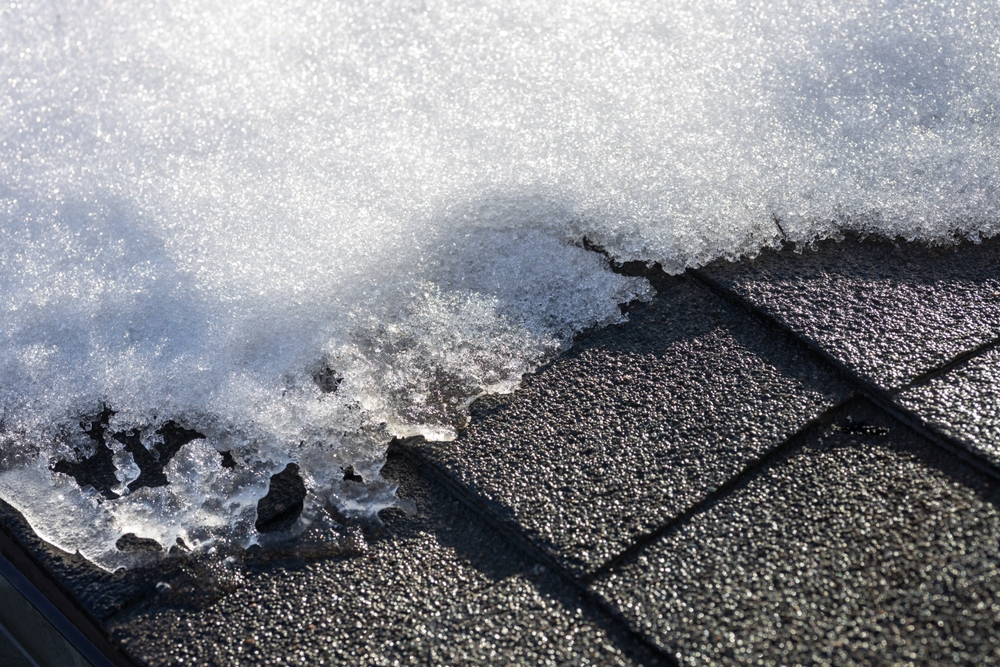
Winter may not be as harsh in Southern California as in other parts of the country, but that doesn’t mean your roof is immune to damage. The combination of occasional heavy rains, sudden temperature drops, and seasonal windstorms can wear down roofing materials over time. If you’re not paying close attention, seemingly minor issues can become expensive repairs before you know it. Early detection is the key to protecting your home, especially during the colder months when roof repairs are more difficult and costly. By understanding the early warning signs of winter roof damage and taking proactive steps, you can preserve the integrity of your roof and avoid larger problems down the line.
The Impact of Winter on Your Roof
While Southern California winters don’t typically bring snow and ice, the region still experiences winter conditions that can take a toll on roofing systems. Rainstorms and Santa Ana winds are the primary culprits. During these storms, roofing shingles or tiles can loosen, flashing may warp, and water can find its way into cracks or seams. These factors can quietly weaken the structure of your roof without any immediate signs of trouble.
Additionally, even small amounts of water that seep into your roof system can cause mold growth, rot, or insulation damage over time. These hidden issues often develop over several weeks or months, and by the time visible signs appear, the damage may already be extensive. That’s why consistent roof inspection and maintenance during the winter months are essential.
Signs of Winter Roof Damage to Watch For
One of the most critical aspects of roof maintenance is learning to recognize the early signs of damage. A common indicator is water stains on interior ceilings or walls. These stains often suggest a slow leak caused by compromised roofing materials. Roof leak detection should be a priority as soon as these signs appear, as delays could result in more severe storm damage.
Another warning sign is the presence of debris or granules in your gutters. Asphalt shingles tend to shed their protective coating when they age or become damaged, especially after being exposed to winter storms. When granules begin to accumulate in gutters or at the base of downspouts, it may signal that your shingles are nearing the end of their life span.
You should also watch for any missing or curled shingles, sagging areas on the roof surface, or dark streaks that could indicate moisture intrusion. If your roofline appears uneven or warped from certain angles, this could be a structural issue caused by water saturation beneath the surface. Addressing these issues quickly can help prevent much more serious and expensive structural failures later on.
Why Regular Roof Inspection Matters
Many homeowners assume that if there’s no obvious leak or visible damage, the roof must be in good shape. However, that assumption can lead to costly surprises. Professional roof inspection is a crucial part of protecting your home, particularly during and after the winter season. These inspections go beyond surface-level observations, using trained eyes and sometimes thermal imaging to detect hidden moisture or insulation problems.
In Southern California, a seasonal inspection schedule is recommended, ideally once in the fall before the winter rains and again after the storm season ends. By getting ahead of winter roof damage, you reduce the risk of expensive emergency repairs and extend the life of your roof significantly.
Even if your roof is relatively new, it’s still vulnerable to damage from high winds or flying debris during winter storms. Regular checkups help identify small issues like nail pops, lifted flashing, or blocked gutters before they escalate into bigger problems. Professional roofers can also check for adequate attic ventilation, which plays a role in preventing condensation and water-related damage during cooler months.
The Importance of Early Roof Leak Detection
Detecting a roof leak early is one of the most important parts of winter roof maintenance. Leaks are rarely dramatic at first; they often begin as small drips that go unnoticed until significant interior damage has already occurred. Early roof leak detection can save you thousands of dollars in repair costs and protect your home’s structural integrity.
To identify a leak before it becomes serious, pay attention to musty smells in certain rooms, bubbling or peeling paint, or unexplained humidity inside the home. These may all be signs that moisture is entering through a compromised section of the roof. Don’t dismiss these symptoms, even if they seem minor. Leaks often travel along rafters and joists, causing damage far from the original entry point.
Water intrusion can also affect electrical systems, insulation efficiency, and even indoor air quality. Mold and mildew thrive in damp environments, and once they take root in your walls or attic, they can be difficult and costly to remove. That’s why prompt action following any signs of roof damage is essential. Investing in roof leak detection services or tools can help you stay one step ahead of potential issues.
Roof Maintenance Tips for Winter Protection
Keeping your roof in top condition during the winter months requires a proactive approach. One of the most effective steps is to keep your roof and gutters clean. Debris buildup, such as leaves and branches, can trap moisture and lead to deterioration of roofing materials. Make it a point to clear out your gutters and downspouts so that water can drain efficiently during rainstorms.
Trimming overhanging tree limbs is another useful strategy. During winter wind events, branches can break and damage your shingles or tiles. Reducing tree coverage not only minimizes storm damage risks but also limits the amount of debris that accumulates on your roof throughout the season.
Scheduling annual professional maintenance is also wise. Roofers can perform a comprehensive assessment, apply sealant where necessary, reinforce flashing around vents and chimneys, and advise you on any weak points that should be monitored. If your roof is older, consider a preventative maintenance plan that includes minor repairs before problems escalate.
Finally, document the condition of your roof through photos. In case you ever need to file an insurance claim due to storm damage, this record will help you demonstrate the roof’s condition before and after winter events.
Conclusion
Winter roof damage can be deceptively silent, gradually developing beneath the surface until serious issues arise. Homeowners in Southern California should not be lulled into a false sense of security by mild winter weather. Rainstorms, wind events, and fluctuating temperatures can all put strain on your roof, leading to leaks, mold, and structural concerns.
The key to protecting your home is vigilance. Through regular roof inspection, early roof leak detection, and smart roof maintenance tips, you can identify potential problems before they spiral out of control. By investing time and attention into your roof’s health during the winter season, you extend its life and preserve your home’s overall value. With a proactive mindset and timely intervention, winter weather will have little chance of catching you off guard.
Need Roofing Contractors Near You?
Since 1979, Dowd Roofing Co. has provided residential and commercial roofing, roof repair, and much more to Glendora, CA and the surrounding areas. Dowd Roofing Co. takes integrity and dependability very seriously when it comes to your projects, from whole roof replacements to storm damage maintenance. We work on asphalt roofing, concrete tile roofing, spray coating, leak plugging, inspections, and more. With over 35 years of experience, you know we are still in business for a reason, Call us today to schedule an estimate, or contact us through our website.